Contents
Your potential higher education students – and their sponsors – are more likely to research on the internet than anywhere else when it comes to finding and choosing their preferred higher education institutions or universities. But the question is, how do you ensure they find your university and contact you?
Well there are many ways to help you be visible in front of your prospective students and their sponsors even if you’re new to digital promotion and marketing. But collecting your potential customer’s information and converting them into clients will require a well-thought-out plan.
This is where your lead generation and conversion strategies are important. Effective lead generation focuses not just on the quantity of leads, but on attracting high-quality prospects who are more likely to enrol and succeed at your institution.
In this article, we’ll explain everything you need to know about lead generation for higher education. This article will cover how to choose and implement the most effective lead generation strategies for your institution.
Lead generation in education industry
Lead generation in education refers to identifying potential students and collecting their information so you can contact them later and enrol them in your courses. In simpler terms, it’s gathering information about people who may be interested in enrolling in the courses you offer. Effective lead generation for educational institutes involves a mix of targeted digital marketing, high-value content, and personalised engagement.
Some popular strategies or techniques used for lead generation in higher education include:
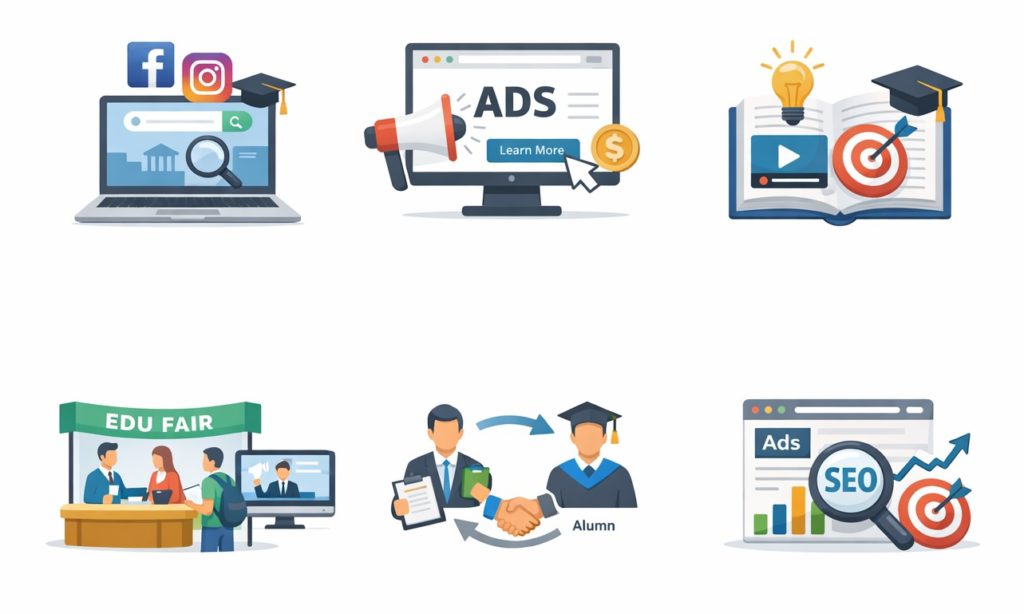
- Using online platforms like social media, search engines, and educational websites to reach potential students.
- Running lead generation ads online.
- Using content marketing to create and share informative content about courses and career prospects to engage prospective students.
- Hosting recruitment events such as educational fairs and webinars.
- Collaborating with educational consultants and alumni for referrals.
- Using SEO and SEM Strategies to improve website visibility on search engines.
Strategies to look for while generating leads for higher education
There are many different ways you can generate leads for higher education. Here are some common and effective ways to do it:
1. Leads Generation Ads

Advertising platforms like Google Ads, Google Display Ads, Facebook, TikTok, LinkedIn, and Instagram allow higher education to reach potential students through lead ads.
You can run lead ads on any platform, but success comes from targeting where your audience is most active. That’s why you must understand your customers before investing in paid ads. Build a buyer persona based on who is likely to be interested in higher education and where they spend their time online.
For instance, if your leads are active on Google run Google Display Ads for targeted banner campaigns that direct users to landing pages. Additionally, if you want to generate leads directly, run lead generation ads via Google Ads Lead Form Assets.
If your audience is more active on social media or a specific social media, run targeted social media advertising via banner and lead generation ads.
Most ad platforms allow you to run highly targeted ads based on age, location, interests, and search behaviours relevant to your higher education services. Furthermore, you can also run retargeting ads to re-engage users who have come into contact before but haven’t taken action.
2. SEO and Content Marketing
Search Engine Optimisation (SEO) is crucial to improve the visibility of a website in search engine results. While paid adverts can help your higher education institute be visible to your audience, including on search engines, they are only there as long as you pay for the ads. SEO is a more long-term and sustainable strategy. The process involves creating quality, informative content that answers the common questions of your target audience, like prospective students and their parents.
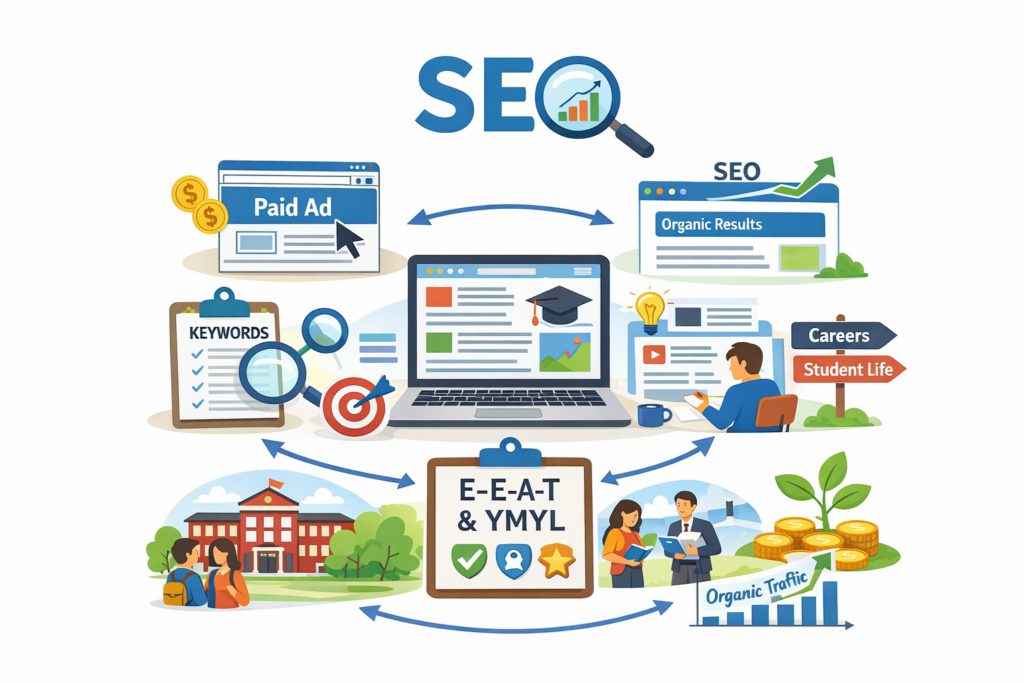
Optimising your website and pages for SEO increases organic traffic and generates leads without relying on paid advertising.
Keyword research is an important part of SEO. It helps you understand what your potential customers are looking for in search engines. The next step is to create blog posts, articles, and keyword-driven web pages to address those queries so your content shows up whenever they make queries on search engines. This may include topics around course details, campus life, career opportunities post-graduation, and student experiences.
Quality content is crucial for a website’s E-E-A-T and YMYL, especially for niches like education, health, and dental SEO. Ensure accuracy and reliability to enhance credibility, which is essential for search engine visibility and user trust.
Consistency matters in SEO. Show up frequently to improve your chances of getting noticed by search engines. If you have limited resources, partner with a SEO content writing company to produce and publish content steadily.
3. Event Marketing

Events can be great ways to generate leads offline. By organising or participating in educational fairs, webinars, virtual events, and workshops, you can interact with prospective students directly. Hosting open houses, campus tours, or webinars (including virtual events) allows potential students to engage directly, ask questions, and helps institutions capture lead information. You can then offer them a first hand experience of what your institution offers. This brings a great opportunity to gather contact information of your leads for follow-up communications.
4. WhatsApp Campaigns

WhatsApp campaigns can be an effective way to generate higher education leads, especially when combined with other marketing channels. They work best as part of a broader strategy rather than on their own.
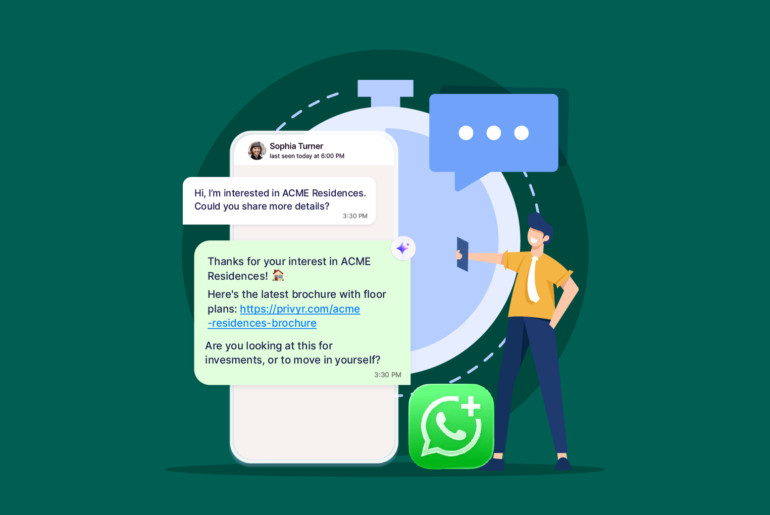
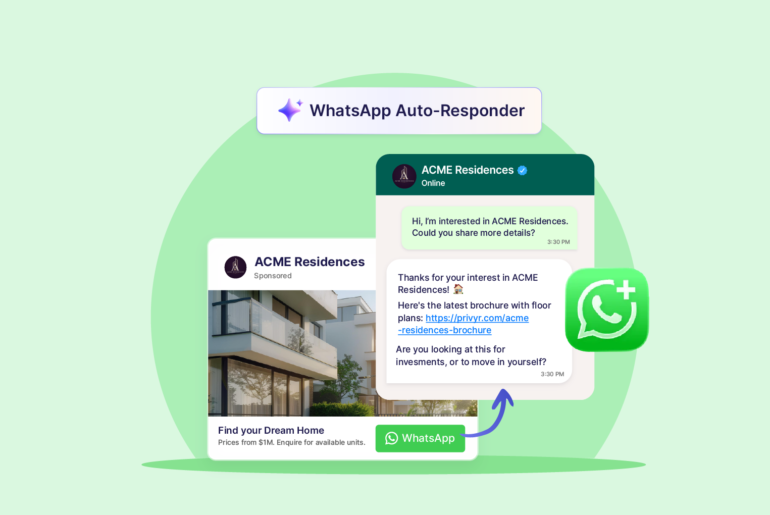
You can use WhatsApp to engage with leads who have already shown interest through ads, landing pages, or lead forms, and move them further along the decision-making journey. Its instant and conversational nature makes it ideal for answering questions, sharing course details, sending application reminders, and offering personalised guidance.
4. QR Code Marketing
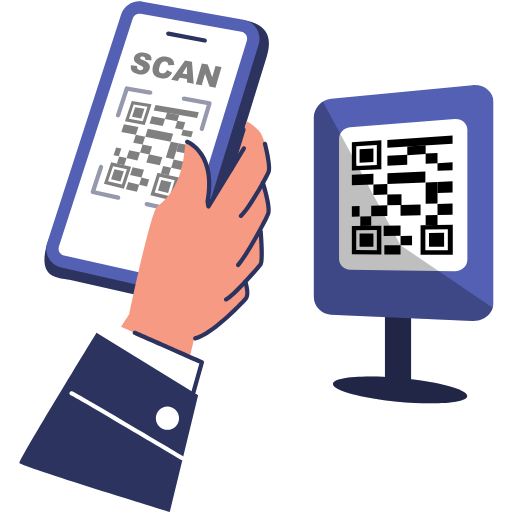
QR code has become a convenient way to share information and redirect people to your web pages in recent years. You can place QR codes on brochures, posters, and digital platforms to direct prospective students to specific landing pages, such as application forms or detailed course information. Tools like Uniqode’s QR Code generator make it easy to create professional, trackable QR codes that can be customised with your institution’s branding and provide analytics on scan performance. With this method, you can blend offline marketing efforts with digital marketing activities, making information access more interactive and convenient.
5. Website

SEO helps your website be more visible on search engines. However, it shouldn’t be your only strategy to attract and generate leads. You should also optimise some technical aspects of your website to convert visitors into leads. This can include adding pop-ups with course information requests and offering lead magnets like downloadable course brochures or career guides.
Here’s an article about The 5 best WordPress contact forms for collecting leads
6. Chatbots

By adding chatbots to your website, you can answer your visitor’s common queries about courses, syllabus, fees, and the admission process – even outside of working hours. These chatbots can also be programmed to ask for user details before providing detailed answers, thus generating leads while offering assistance.
7. Videos

Video is a powerful engagement tool you can use in different ways to generate leads. You can create videos for different purposes, including for paid lead ads about a specific course, student testimonials, virtual campus tours, day-in-the-life videos, etc. You can also use videos to answer frequently asked questions to give prospective students a more engaging and immersive understanding of the institution.
8. Email Marketing

Emails are traditional yet highly effective tools to generate leads. You can run email campaigns to target fresh leads, as well as individuals who have previously interacted with your institution’s lead forms, magnets or quizzes. Emails can also be a great way to nurture leads, as you can address their queries, remind them of application deadlines, or offer personalised advice – basically any activities that move them forward in their decision-making process. To improve deliverability and campaign performance, consider using a bulk email verifier to clean and validate email lists before running outreach campaigns.
9. Referrals
Referrals from your existing students to their network come with built-in trust and can be far more convincing than any advertisement or promotional material. Furthermore, leads generated with referrals have shorter sales cycles and better conversion rate. Therefore, referrals can be a great lead generation strategy. To generate leads via referrals, you may try encouraging your students to refer friends or acquaintances in exchange for benefits such as campus credits or discounts. Incentivising current students and alumni through referral programs can yield high-quality leads. Having a structured alumni engagement systems that make participation easy, repeatable, and measurable can be a plus. The ultimate goal of referral strategies is to convert prospective leads into actual enrolled students.
How to generate leads for educational institutes (step-by-step guide)
Generating leads for higher education is pretty similar to generating leads for any other business, but you need to be very careful about the type of content you create and distribute. Since it’s a highly-responsible sector, exaggerated claims can damage your long-term reputation, while generic content will make you look mundane. Plus, student expectations change fast and have a wide range of options to choose from, and most of them only decide who to choose after careful considerations.
Here are the steps to generate education leads:
Step 1: Research your students

The first step to effective higher education lead generation is knowing your students. Data analytics enhances the ability of colleges to target students most likely to enrol, allowing for more precise and personalised outreach. Advanced analytics tools enable institutions to understand student behaviour, identify high-intent leads, and forecast enrolment trends.
Modern lead generation leverages data analytics and AI to identify students who are actively exploring higher education options. Without understanding your customers, their expectations and motivations, you can’t create content that makes them want to engage with you. Research your prospective students by exploring what questions they ask on the internet and what kind of content they consume.
Step 2: Create a buyer persona

A buyer persona is a semi-fictional character that depicts your potential customer in an accurate manner. It’s also a great way to document your target audience. An effective buyer persona includes all the information about your students, including their interests, requirements, pain points, motivations, social preferences, and much more. Identifying and targeting the right students for your institution is crucial to ensure your marketing efforts reach those most likely to succeed and enrol. By focusing on attracting qualified students—those who meet specific criteria and demonstrate genuine interest—you can optimise your marketing efforts and improve enrolment efficiency. You can use the information to create content that provides value to your target audience and boost your lead generation efforts.
Step 3: Craft the right message for your students

Content plays a crucial role in generating leads. Whether it’s a Facebook Lead Ad copy encouraging students to learn more about your higher education services or an article intended to help students make the right career decision, the effectiveness of your message makes or breaks the deal.
Good content should always be complemented by a practical call to action. It guides prospects on the next step and increases engagement and conversion rates.
You can create the right content depending on how you want to reach your audience. If you want to reach and engage prospective students organically, you may want to create useful articles and posts that can be found through search engines.
Alternatively, if it’s online advertising through which you’re looking to reach your audience, you may want to create engaging ads. To engage students effectively, maintain ongoing communication and nurture prospective students through strategies like newsletters, webinars, and personalised content.
In all cases though, it’s the message that plays a crucial role in attracting the right lead. Personalised communication significantly improves engagement with prospective students, and they do expect a personalised and seamless experience during the lead generation process.
Additionally, you may not want to miss out on a few important pieces of information such as your location, the type of education services you provide and how you provide them – to attract quality leads.
Step 4: Pick a suitable strategy and distribute your content

Once you understand your target students and prepare a message for them, you’ll want to plan a perfect lead-generation strategy. Higher ed institutions can benefit from a multi-channel strategy that combines paid ads, content marketing, webinars, and SEO to expand reach and improve engagement. You have to first be visible in front of your prospective students on platforms and portals they visit. Then, you have to convince them to engage with your ads or content and finally submit their interest.
Sound customer research will help you understand where you’ll find your potential customers, helping you know where to publish your content.
For instance, if your prospective students are regular social media users, you’ll want to create engaging content or run lead-generation ads such as Facebook Ads and TikTok Lead Generation Ads on social platforms. Conversely, if your visitors are more likely to search for their solutions on search engines, you’ll want to focus on organic messaging and Google Ad campaigns for lead generation.
You can distribute your content to different distribution channels on the internet, ranging from your own website to search engine results pages to social media platforms where you can publish content targeting your audience. And most platforms allow paid and organic options. You can choose a suitable option or even incorporate both depending on your higher education lead generation strategy and budget.
Paid options such as Facebook Lead Ads and Google Ads could be great for wider reach and fast lead generation. Whereas, organic methods such as search engine optimisation (SEO) and content marketing can be excellent long-term lead-generation solutions.
Step 5: Test, iterate, and improve

You’ll only know the outcome of a plan once you put it to the test. Therefore, testing several lead generation strategies is super important to know which one suits you the best. Experimenting with different strategies, such as list refinement, personalised messaging, clear calls to action, and content focus, can help improve response rates.
You can implement different strategies for lead generation, including utilising AI-driven social media ads, publishing SEO-optimised content, and hosting virtual open houses. But effective lead generation also involves ongoing testing and optimisation of your strategies so you can learn and fine tune them to attract and convert qualified students and ensure long-term enrolment success.
Frequent tests help you identify and decide your long-term lead generation strategy. However, you may also want to know how each method works before deciding. Organic method take time to produce results, whereas paid options give you fast results and you can quickly know if they work for you or not.
Many factors affect the effectiveness of your lead generation campaigns. It includes your message, targeting, distribution channels, ad spending, and more. You should consider all these factors while testing your higher education lead generation strategies.
Useful tips to generate higher education leads
Here are some useful tips you may want to consider before generating higher education leads.
Understand your audience
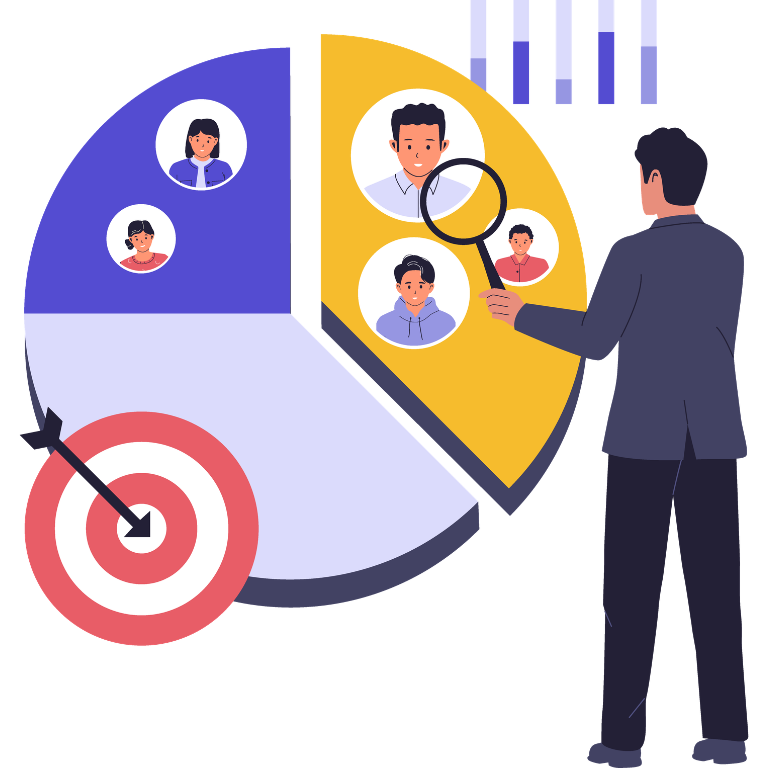
There’s nothing worse than running a lead generation campaign that attracts wrong people. Therefore, understanding your audience is essential in running a targeted ad. Conduct market research through audience analysis survey to understand the behaviour and preferences of your target audience. This helps you tailor your messaging, channels, and ad settings accordingly. For instance, younger leads might be more responsive to social media outreach, while adult learners might prefer email communication or professional platforms like LinkedIn.
Additionally, identify prospective students who have expressed interest by filling out forms or contacting the institution. Individuals who have shown active engagement with your offerings can be a good prospect.
Use data-driven insights

While running lead generation campaigns, make sure it’s efficient and result driven. Always try to use analytics tools to track the performance of your campaigns. Analyse website traffic, conversion rates, and user behaviour and refine your strategies over time. Also, consider A/B testing different elements of your campaigns such as copy, design, and CTA so you know what works best.
Personalise communication
Personalisation can play a great role in increasing engagement and building trust. Addressing leads by their names and discussing their specific issues when reaching out not only builds trust but also makes the leads feel valued. Personalise your outreach as much as possible. While doing so, make sure to use the data you’ve collected while generating leads.
Use CRMs
A Customer Relationship Management (CRM) system can make your processes significantly more efficient by streamlining and automating complex manual steps. They can be really effective in segmenting audiences, automating communications, and providing insights into lead behaviours. This way, you can manage leads and track communications better.
There are many CRMs that cater to different needs. Therefore, do some research before choosing the right CRM for your specific needs. For instance, HubSpot can be a great CRM for marketing automation, whereas if you prefer running your sales process from your smartphone, you may consider using Privyr.
Build partnerships with relevant institutions

Partnerships can help you reach a wider audience. Establish online and offline partnerships with schools, educational consultants, alumni networks, and industry organisations. Join seminars, events, groups, and even career networks to capture potential students.
Best platforms for generating higher education leads
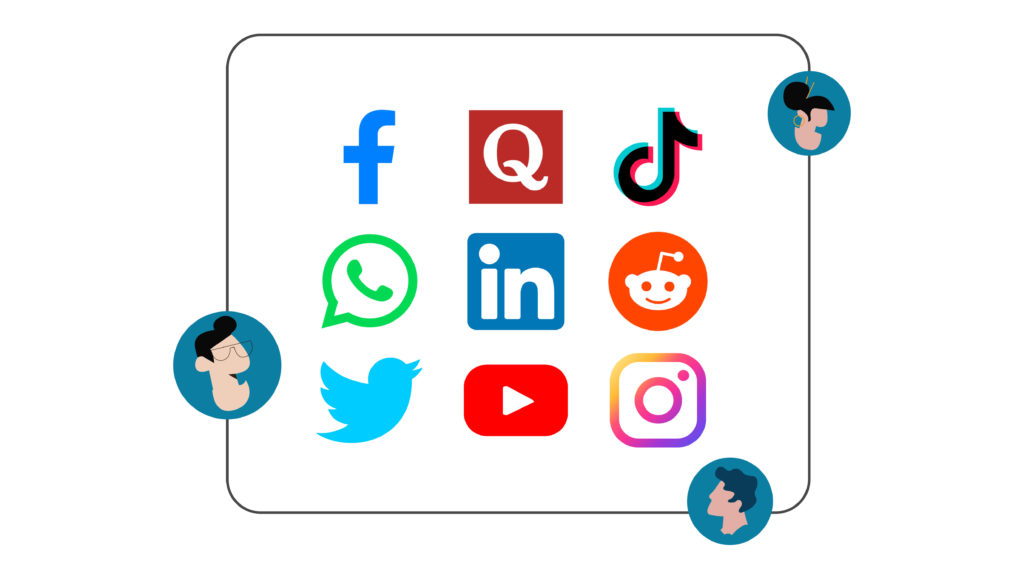
Several channels can help you generate higher education leads online. They range from your own website to ad networks to social media platforms. Some important platforms are as follows:
Social Media
Social media is one of the most effective platforms to generate higher education leads. As social media is more popular among the age group seeking higher education options, you can easily target them through social media activities and collect their information. The activities include organic content distribution and paid advertising campaigns.
Creating engaging social media posts and distributing it consistently across social media platforms can attract students and help you build your audience and followers in the long run. On the other hand, running social media ads, specifically for higher education lead generation can be effective to reach a wider audience and generating a greater number of qualified leads in a short period of time. Ads, such as Facebook Lead Ads and TikTok Lead Generation Ads are specifically built to collect leads. Student lead generation on platforms like Facebook is crucial for attracting, engaging, and converting prospective students, making it an essential part of any digital marketing strategy for educational institutes.
Search Engines and Online Publishers
People look for a solution to their problems on search engines more than anywhere else. And interestingly, the younger generation is more into it. Therefore, search engines, especially Google, can be a great platform to generate higher education leads.
Additionally, there are many online publishers, such as Forbes, The Independent, The Atlantic, etc, that publish information, including career and education content, for millions of people every day. These sites are also great platforms to promote your content and generate education leads.
Ad networks, such as Google AdSense and Monumetric, can help distribute your ads and messaging across search engines and online publishers. They can be highly effective in targeting your audience and displaying ads to your potential students regardless of what platforms they visit or what kind of content they consume.
Your Business Website
Your website can be one of your greatest marketing tools if you put the right effort into it. It can help you promote your services in the long run once you start creating and publishing quality content consistently. Your business website can also be a highly effective tool for capturing new leads. If your website already has some visitors, you can generate high quality leads from blogs and landing pages via contact forms without spending on ads.
Proper content marketing and SEO strategy, as well as good backlink building tools, can help you make your website visible in search engines in the long run. Many universities and educational institutions publish regular blog post and engage new students to their website. Unlike paid lead ads, website content is permanent. It keeps appearing on search engine results pages as long as you want have it online. If you have a WordPress website, you can choose from several different free and paid contact forms that help you collect leads on your landing pages.
Factors affecting lead generation for higher education
Being visible to your prospective students might not be hard, especially if you pay for targeted campaigns. But the tricky part is convincing them to submit interest and give you their information. People do not engage with content they don’t trust or find useful.
Below are some important factors that affect higher education lead generation.
Audience Targeting
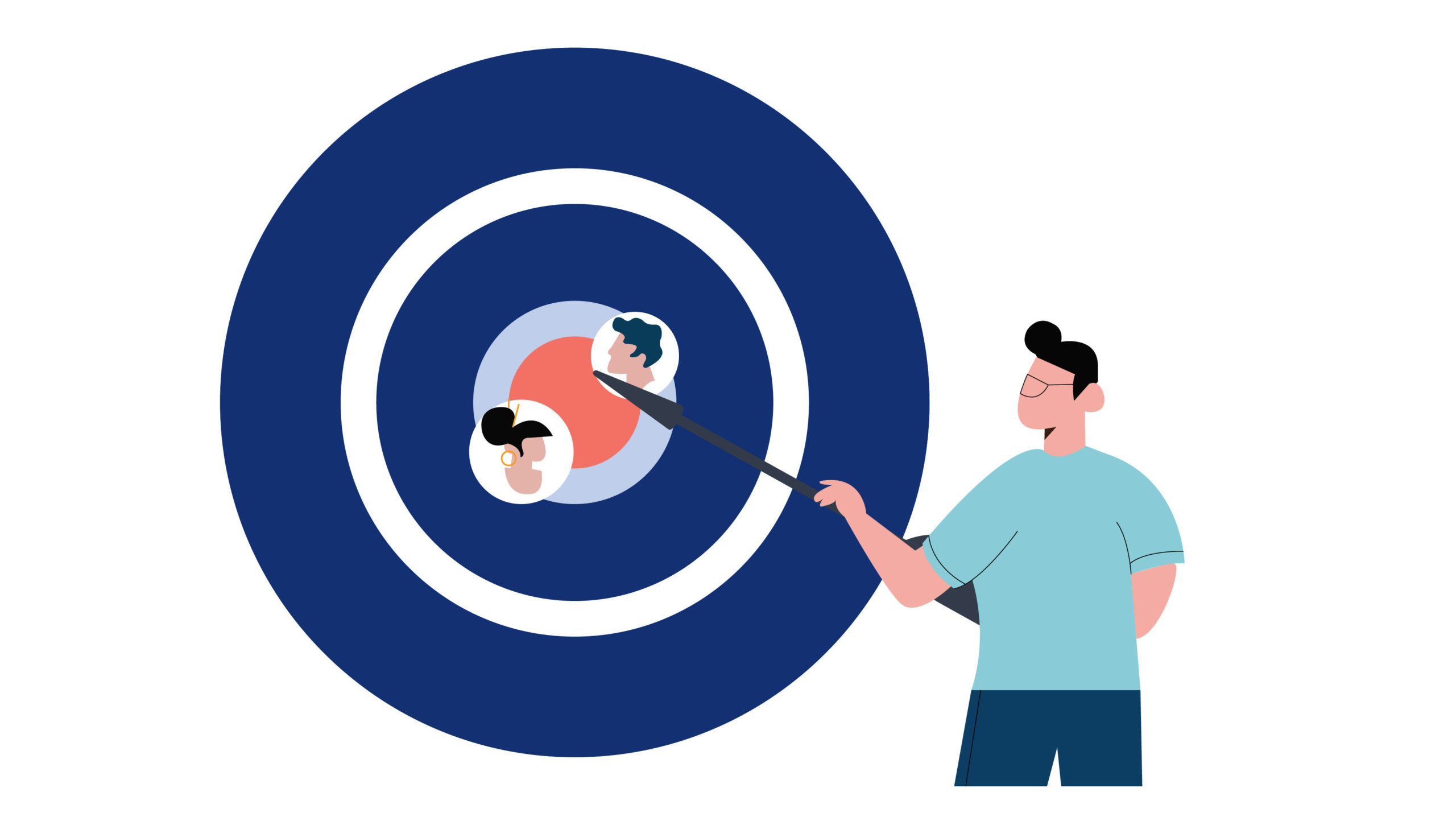
The straightforward approach is usually to target your prospective students while creating your lead generation strategies. However, this might not be the only option. You may also want to let your student’s parents (or other potential influencers/sponsors) know what you offer if your service requires convincing the ones who pay for it.
Targeting the wrong audience affects the quality of the leads you collect online and eventually wastes your time and money. Always make informed research about what type of people are looking for your services and their costs.
Message & Content

Clever messaging can be incredibly helpful in attracting and convincing people to take the first step towards exploring your services. Let’s suppose you’re a design school dedicated to providing excellent fashion design courses for your students. In this case, your message should be “Become a world-class designer” rather than just “We provide fashion designing courses.”
Most of the education searches are location and degree-specific. Your message or content should also be specific so your target audience knows your services are specifically built for them.
User Experience
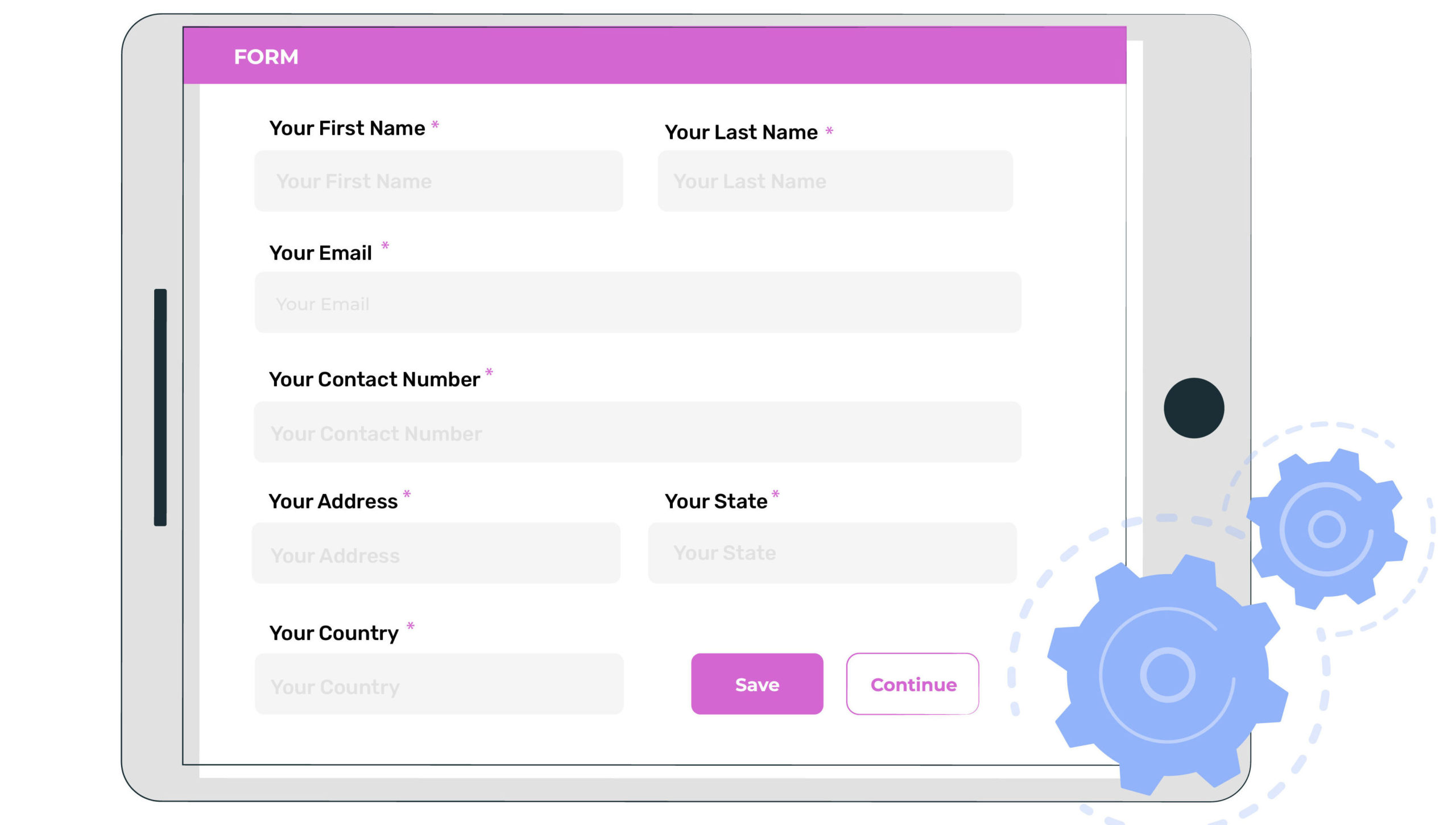
Now that you have targeted the right audience and convinced them to take action with great messaging, you might still have a hard time collecting their information if your outreach lacks a good user experience. For instance, using confusing and never-ending forms may turn the students off and cause them to give up before they finish submitting interest.
Focus on making your lead generation forms as simple as they can be. You may use autofill features for websites to reduce manual data entry. If you’ve decided to run lead ads on ad networks or social media, research how user-friendly each lead ad format and its forms are.
Measuring Success
There are clear, actionable metrics that help you measure the success of your higher education lead generation strategies. You can track the right key performance indicators (KPIs) to identify areas for improvement, to understand what’s working, and to make data-driven decisions that drive more leads into the enrolment funnel.
- Some of the most important KPIs for lead generation include
- Lead volume (the number of leads generated)
- Lead quality (how well leads match your ideal student profile)
- Conversion rates (the percentage of leads who move forward in the enrolment process), and
- Cost per lead (how much you spend to acquire each lead)
Data analytics tools are powerful allies in this process. They enable you to track campaign performance across channels, analyse student data, and gain insights into which marketing automation plans are delivering the most quality leads. You can then refine your targeting, optimise your messaging, and allocate resources more efficiently based on these analytics.
Institution Branding
In a competitive education market, creating a distinctive brand identity helps your institution stand, helping you connect with prospective students on a deeper level. A strong brand not only builds trust and credibility but also increases the likelihood that high quality leads will choose your institution over competitors.
For an effective institution branding, you can start with developing a consistent visual identity. Logos, colours, and design elements that are instantly recognisable across all marketing materials and digital platforms can help.
But branding goes beyond visuals. A compelling narrative that highlights your institution’s values, mission, and unique offerings is also important. Sharing authentic stories about campus life, academic achievements, and student experiences can attract your target audience and inspire them to take the next step.
Leverage social media platforms to boost brand visibility and reach students where they spend their time. Share valuable content that showcases what makes your institution special. Many universities use student ambassadors to share their personal journeys and provide an insider’s view of campus life.
Authentic voices help humanise your brand and foster a sense of community, making it easier to generate leads and drive student enrollment.
Common Mistakes to Avoid
Even the most well-intentioned higher education lead generation efforts can fall short if you overlook common mistakes. One of the biggest pitfalls is failing to truly understand your target audience. Without a clear picture of prospective students’ needs, interests, and expectations, it’s easy to create generic content and lead generation forms that don’t capture the right lead.
To attract and convert high potential prospects, focus on creating personalised inquiry forms that gather student data and provide a seamless experience. Avoid using one-size-fits-all forms that miss the opportunity to learn more about potential students’ backgrounds, interests, and goals.
Another frequent mistake is underutilising social media platforms. Many higher education institutions overlook the power of engaging content and digital marketing to connect with students seeking higher education providers online. If you’re inactive on social media, you’re missing valuable opportunities to drive leads and increase brand visibility.
Additionally, neglecting data analytics can hinder your ability to optimise lead generation efforts. These powerful tools can help you track campaign performance, segment your audience, and deliver personalised outreach, improving efficiency and increasing enrolment rates.
Last but not the least, it’s important to align your lead generation strategies with student expectations. Prospective students expect a seamless, user-friendly experience from their first interaction with your institution. Make sure your lead capture process is straightforward, your messaging is clear, and your follow-up is timely and relevant.
Conclusion
Higher education lead generation is much different and more competitive than it used to be just a few years ago. That being said, marketing your school might not be as difficult as it seems if you know a few important factors and make informed decisions.
While we’ve covered a lot of tips on how to attract the best candidates, what’s even more important is converting those hard-earned leads into actual customers, and achieve your enrollment goals. You do not want to spend your time and money collecting leads that do not convert.
So, how do you make sure your leads convert? Well, the most important thing that determines how well your leads convert is your outreach and follow-ups. In fact, following the best practices for lead conversion can increase your new lead-to-sales conversion rates by 300% or more.
If you’re looking for a way to easily engage and convert leads from your phone, try Privyr CRM. It’s an app that helps businesses and salespeople instantly receive leads and contact them through popular channels such as phone calls, WhatsApp, SMS, and iMessage within seconds. Privyr offers instant new lead alerts, auto-personalised quick responses, file and content tracking, follow-up reminders, and easy lead management – all from the comfort of your phone or laptop. Try Privyr today for free to convert more leads into customers.